Why the Jewishness of Jesus Matters for Every Believer?
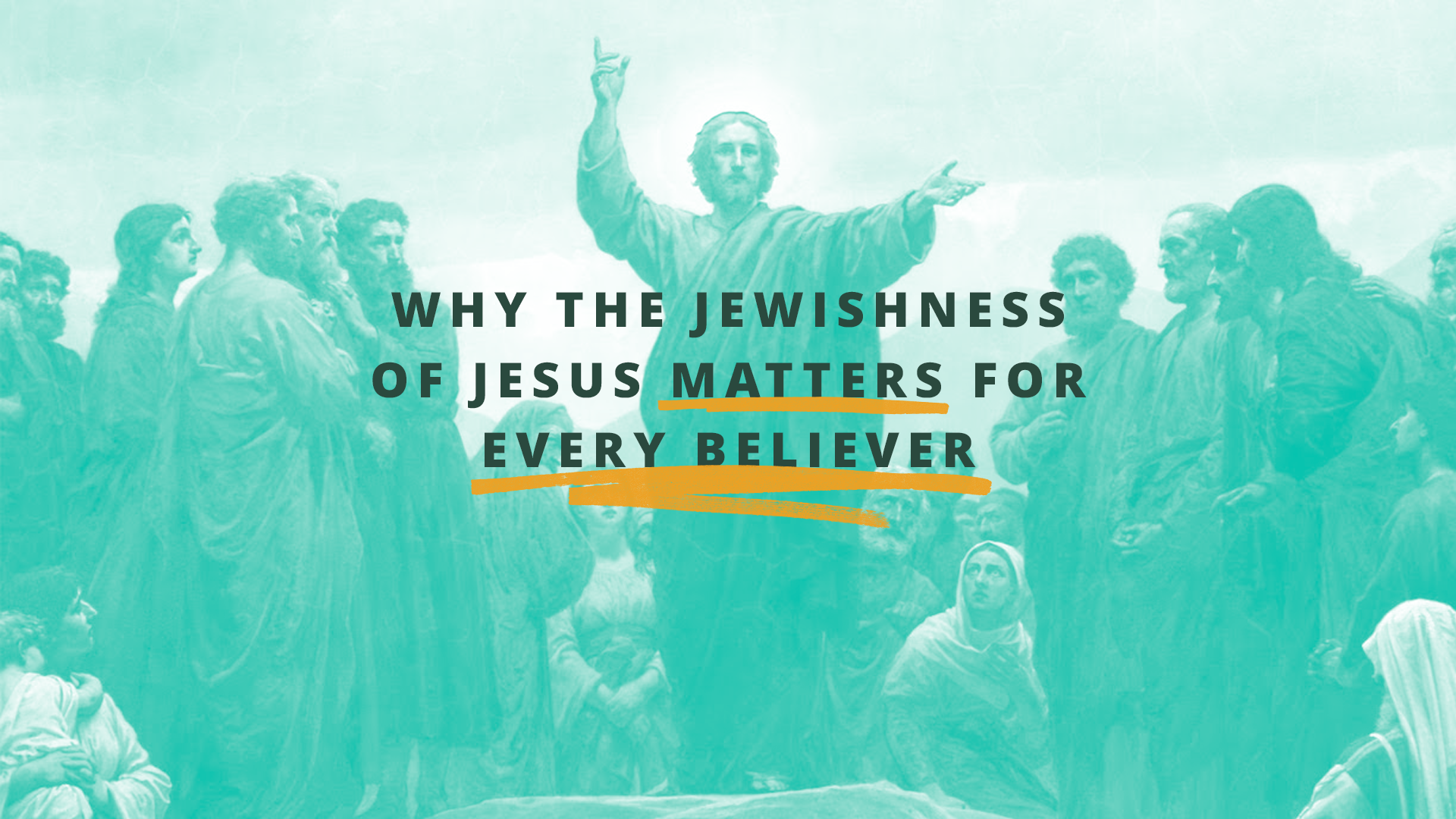
When most people picture Jesus, they imagine Him teaching the crowds, healing the sick, or walking along the Sea of Galilee. But far fewer stop to consider something essential: Jesus was, and remains, thoroughly Jewish.
He prayed in Hebrew, celebrated the feasts of Israel, taught in the synagogue, and lived in covenant faithfulness as a son of Abraham, Isaac, and Jacob.
At Fusion Global, we believe this truth changes everything. It helps us connect the Old and the New, it grounds our faith in God’s unshakable promises, and it reminds us not to settle for half an inheritance.
But why does this matter for followers of Jesus/Yeshua today?
Jesus Didn’t Erase His Jewish Identity, He Fulfilled It
Some Christians think of Jesus as if He came to start a brand-new religion, detached from Israel and the Jewish people. But when we open the Scriptures carefully, we see something very different.
Yeshua Himself said in Matthew 5:17, “Do not think that I have come to abolish the Torah or the Prophets; I have not come to abolish them but to fulfill them.”
The word fulfill doesn’t mean “throw away.” It means to bring something to its fullest expression. Think of a bud blossoming into a flower. The bud is not destroyed. Instead, when it becomes a flower it reaches its destiny.
Jesus’ Jewish identity is not an incidental detail. It’s the very context of the Gospel. As Rabbi Jason often says, “God is in the details!”
The Covenants of God are Still Standing
The God of Israel made covenants in the form of promises made to characters such as Abraham, Isaac, Jacob, and David. If those promises no longer stand, how can we trust Him to keep His promises to us?
Paul makes this point clearly in Romans 11: “The gifts and the calling of God are irrevocable.” God has not rejected His people Israel.
This is where the Jewishness of Jesus guards us against a dangerous mistake: replacement theology. This is the idea that the Church replaces Israel. This erroneous theology not only undermines the Jewish people, it undermines God’s faithfulness itself.
Instead, Jesus reveals the fullness of God’s plan: Jews and Gentiles together in one family of faith. This is the reality of what Paul calls the “One New Man” (Ephesians 2:15).
Hidden in Plain Sight
When you read the Gospels with Jewish eyes, everything looks different. The parables sound like they could have been told around a Shabbat table. The miracles echo the promises of the prophets. Even the numbers, names, and symbols are full of meaning.
For example, let’s look at Passover. Jesus didn’t just happen to die during Passover week. He is the Passover Lamb “hidden in plain sight” from Exodus all the way to the Cross.
Or think of Pentecost (Shavuot). The same day God gave the Torah at Sinai, He poured out the Spirit in Jerusalem. That’s not a coincidence. That’s a deep connection between the Old and the New!
When we see these connections, we realize the Bible is not two disconnected halves — it’s one unified story of redemption.
What This Means for Us
So, what does all this mean you as a follower of Jesus today?
- It means our faith is rooted in history!
- It means the promises God made to Israel still matter…and are still unfolding.
- It means we inherit not just the “New Testament” but the entire Bible as one story of God’s faithfulness.
- It means our Messiah is not a stranger to the Jewish people, but their promised King and Redeemer.
In other words, recovering the Jewishness of Jesus doesn’t make our faith smaller. It makes it bigger, richer, and more alive.
Don’t Miss the Full Inheritance
At Fusion Global, everything we do, from the Tribes’ small group studies to Rabbi Jason’s teaching resources, is about helping you connect the dots. To connect the Old and the New. To see how every detail of Scripture points us to the Messiah.
Because if we ignore the Jewishness of Jesus, we risk missing half of what God has for us. But when we embrace it, we discover the fullness of His promises, His faithfulness, and His plan of redemption.
So don’t settle for half an inheritance. Step into the richness of the whole story!